

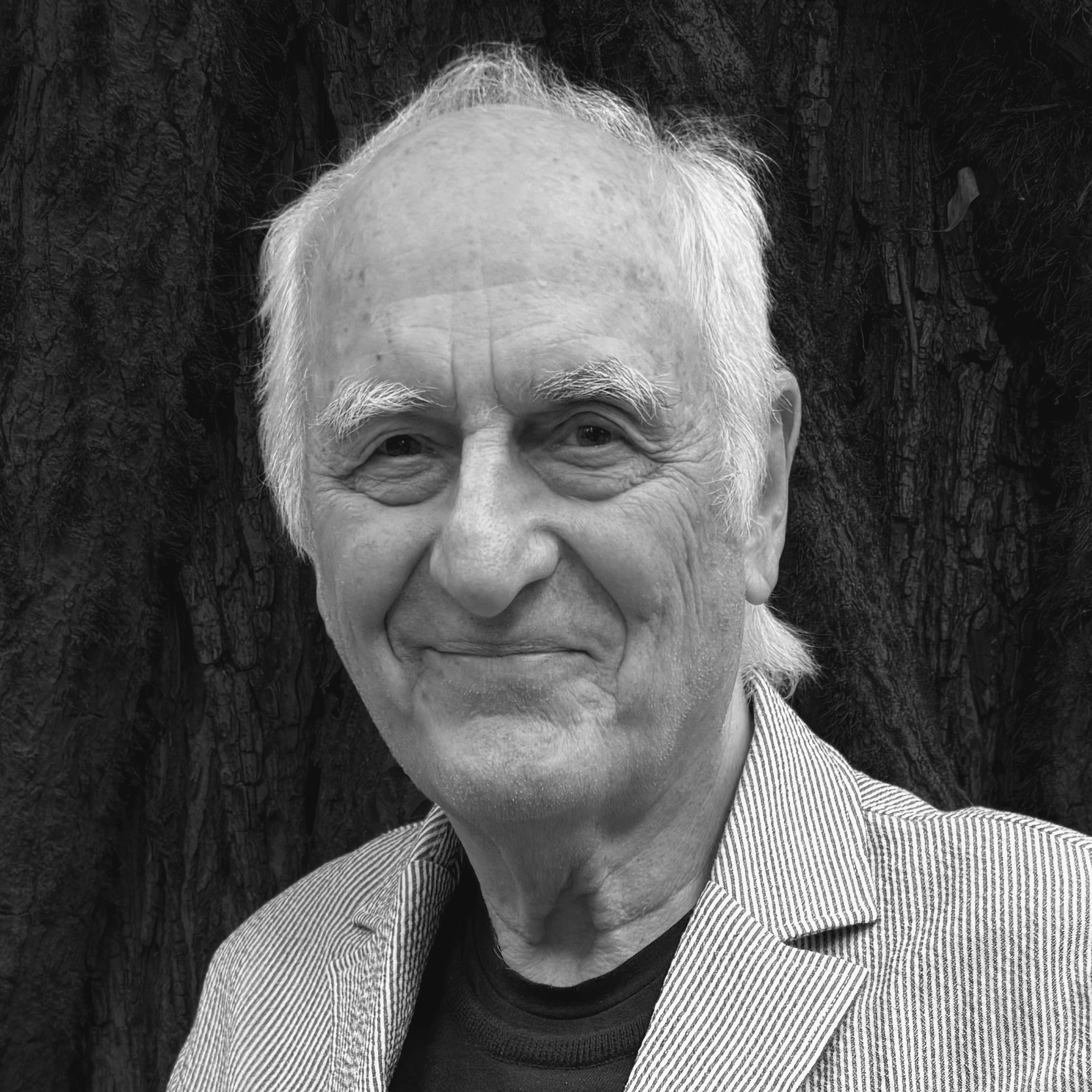
Michael Conrad
2026 Educators Hall of Fame Inductee
Educator & Creative Executive
Former Global Chief Creative Officer of Leo Burnett Worldwide and co-founder of the Berlin School of Creative Leadership, Michael Conrad helped shape generations of creative leaders while elevating standards across the global advertising industry.
Career
Michael Conrad is one of the most influential global creative leaders of the modern advertising era, recognized not only for helping elevate creative standards across international advertising networks, but for dedicating the second chapter of his career to educating and mentoring the next generation of creative leaders. Across more than five decades, Conrad has shaped agencies, influenced global creative culture, and championed the idea that creativity thrives when leadership is held to the highest possible standards.
Born in Leipzig, Germany in 1944 during the final years of World War II, Conrad’s early life was marked by upheaval and reinvention. In 1952, he fled East Germany with his mother to the West, an experience that would later inform both his resilience and his global perspective. After completing an apprenticeship as an industrial clerk and working a variety of jobs, Conrad entered advertising in 1968 as a copywriter at Young & Rubicam in Frankfurt. A self-taught creative, he rose quickly through the ranks during a transformative era for European advertising.
In the early 1970s, Conrad joined Ogilvy & Mather Frankfurt, where he became Creative Director before helping establish the Frankfurt office of TBWA in 1972 alongside fellow creative Walter Lürzer. In 1975, the pair launched the agency Lürzer, Conrad, which rapidly gained recognition as one of Germany’s most creatively ambitious agencies, earning multiple Agency of the Year and Campaign of the Year honors.
The agency’s merger with Leo Burnett in 1980 marked the beginning of Conrad’s long and influential relationship with the global network. After Walter Lürzer departed to launch the influential industry publication Lürzer’s Archive, the agency became Michael Conrad & Leo Burnett. Conrad’s reputation as both a creative visionary and disciplined organizational leader continued to grow, eventually leading him to Chicago in 1986 as President and Chief Creative Officer of Leo Burnett International.
At a time when many global agency networks struggled to maintain consistent creative excellence across markets, Conrad brought what colleagues often described as a uniquely rigorous, almost “German engineering” approach to creativity. Under his leadership, Leo Burnett transformed into one of the world’s most awarded and creatively respected agency networks. In 1996, Conrad became Vice Chairman and Chief Creative Officer of Leo Burnett Worldwide, overseeing creative standards across the network’s global operations and major international accounts, including Marlboro.
The results were historic. During Conrad’s leadership, 27 Leo Burnett agencies were named Agency of the Year in their respective countries, several on multiple occasions. Ad Age named Leo Burnett Worldwide “Global Agency Network of the Year” in 2000, while the Gunn Report recognized it as the world’s “Most Awarded Agency Network” in 2001. Conrad himself became one of the most respected figures in global advertising, presiding over major international juries including Cannes Lions, Clio Awards, AdFest, and Golden Drum. He also served as Dean of the Roger Hatchuel Lions Academy, helping mentor emerging talent from around the world.
Yet perhaps Conrad’s greatest legacy emerged after his retirement from agency life in 2003.


Following more than three decades at the highest levels of global advertising, Conrad became increasingly concerned by what he identified as a lack of strong creative leadership within the industry. While creative industries celebrated ideas and innovation, he believed too little attention was being paid to developing the leaders capable of nurturing talent, building creative cultures, and sustaining long-term excellence.
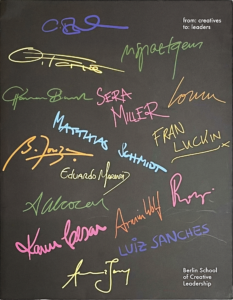
Together with Sebastian Turner of Art Directors Club Germany, Conrad helped develop a bold new educational initiative designed to address that problem directly. The result was the founding of the Berlin School of Creative Leadership at Steinbeis University in Berlin in 2003–2004. Conrad co-founded the institution and served as its president until 2020, helping transform it into one of the most influential educational platforms in the global creative industries.

The Berlin School was revolutionary in its ambition. Rather than focusing narrowly on advertising craft, Conrad envisioned a global institution dedicated to creative leadership across disciplines — including advertising, media, journalism, public relations, design, entertainment, architecture, fashion, marketing, and emerging technologies. The school’s Executive MBA programs brought together established professionals from around the world to rethink how creativity, business, culture, and leadership intersected in an increasingly global and technologically driven industry.



Under Conrad’s leadership, the Berlin School became known for its international faculty, interdisciplinary philosophy, and emphasis on cultural intelligence, ethical leadership, and innovation. It attracted executives, entrepreneurs, and creatives from dozens of countries and helped elevate the role of creative leadership itself into a serious field of academic and professional study. Long before conversations around “creative transformation” became widespread in business culture, Conrad was advocating for leaders who could balance commercial success with cultural responsibility, curiosity, empathy, and human-centered thinking.






Throughout this chapter of his career, Conrad also continued serving as a mentor, speaker, consultant, and advisor to organizations around the world. He became an honorary member of ADC Switzerland, ADC Europe, and ADC Germany, and in 2002 was inducted into the German Advertising Hall of Fame by Handelsblatt and Wirtschaftswoche.
Today, Conrad lives in Zurich with his wife Helga and continues to consult and advocate for creativity, education, and leadership development. His legacy extends far beyond the campaigns and agencies he helped build. Through the Berlin School of Creative Leadership, Michael Conrad helped institutionalize the idea that creativity itself requires stewardship — and that the future of the creative industries depends not only on great ideas, but on leaders capable of inspiring, protecting, and advancing them.