
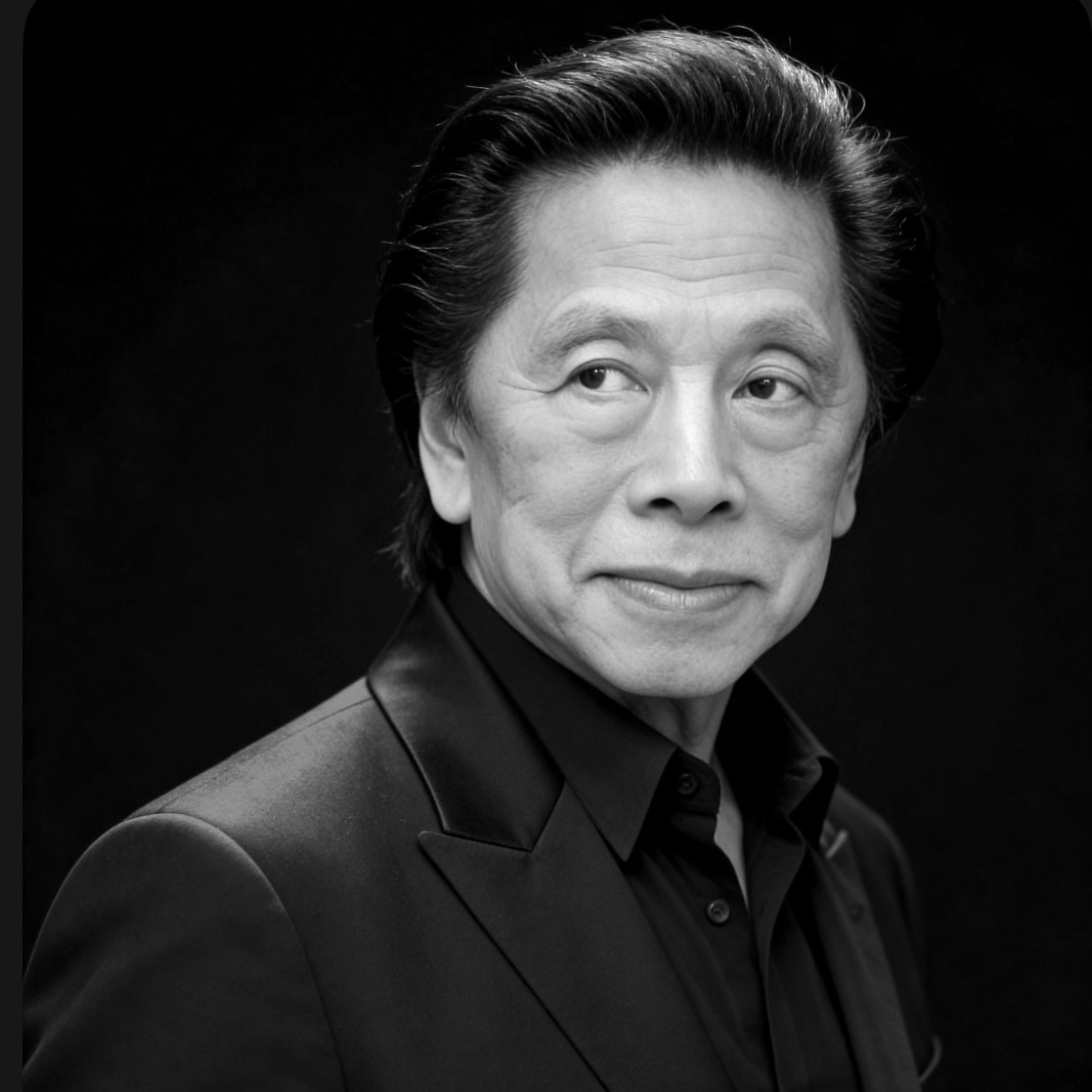
John C Jay
2026 Creative Hall of Fame Inductee
Creative Director & Brand Visionary
A visionary creative leader whose influence spans retail, advertising, fashion, and culture, John C Jay helped shape brands including Nike and Uniqlo while pioneering a new model of culturally driven creativity.
Career
John C Jay has built one of the most influential and unconventional creative careers of the modern era — a career that spans editorial design, fashion, advertising, architecture, cultural strategy, education, and global brand leadership. Across five decades, he has consistently challenged the idea that creativity belongs to any single discipline. Instead, Jay has approached creativity as a force capable of shaping culture, building community, and expanding human potential.
The son of Chinese immigrants, Jay grew up in Columbus, Ohio, in modest circumstances that would profoundly shape both his worldview and his work ethic. He spent much of his childhood in the back of his family’s Chinese laundry, did not speak English until age six, and learned the language in part by studying car commercials on television. Those early experiences cultivated both his curiosity and his sensitivity to culture — qualities that would later define his creative philosophy.
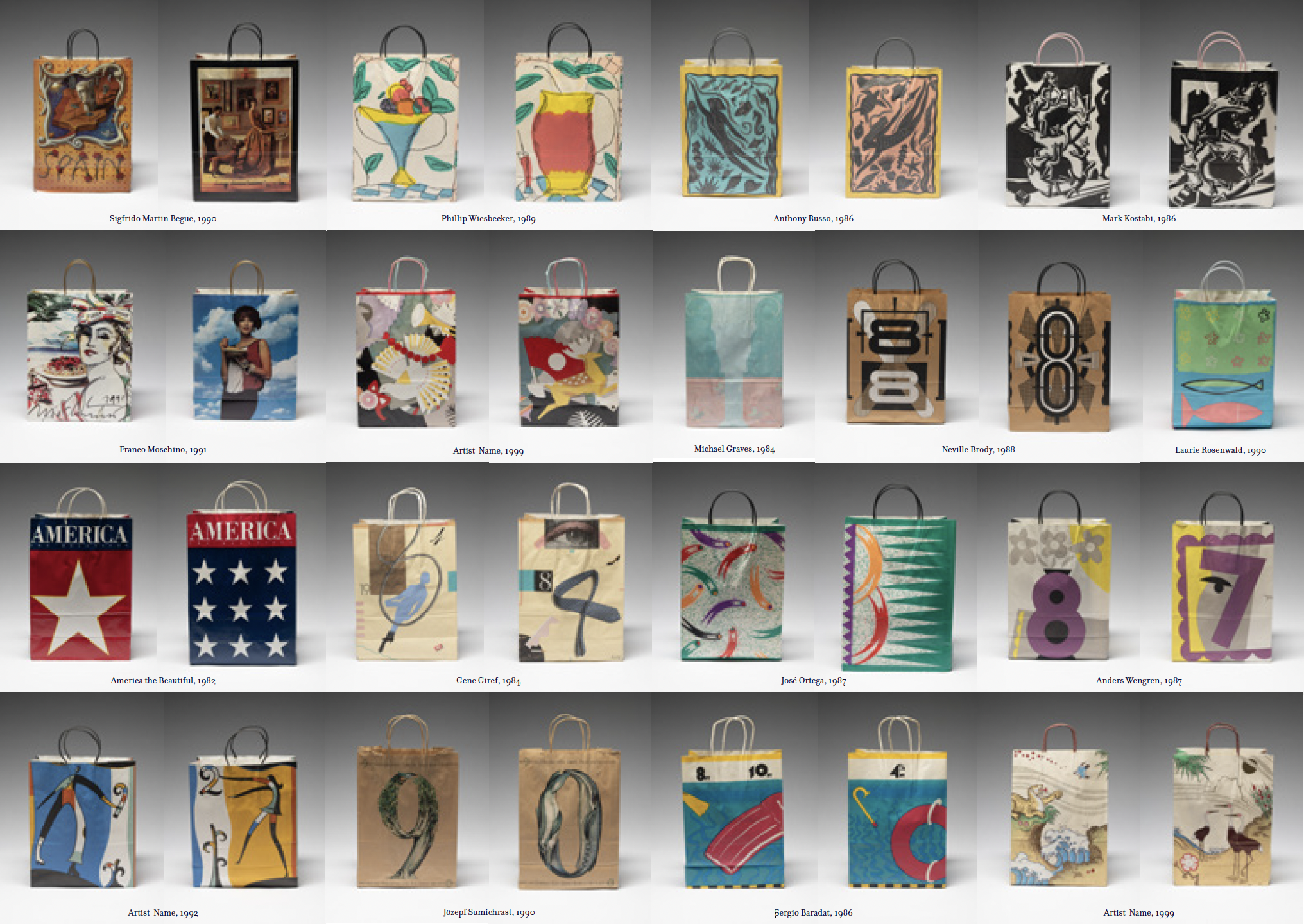
Jay began his career in editorial design in New York before joining Bloomingdale’s during one of the retailer’s most transformative eras under legendary CEO Marvin Traub. Over twelve years as Creative Director, Jay helped redefine retail branding through an approach that fused fashion, art, photography, and cultural storytelling. His iconic logoless Bloomingdale’s shopping bags became design artifacts in their own right and are now held in museum collections around the world, including the Cooper Hewitt Smithsonian Design Museum.


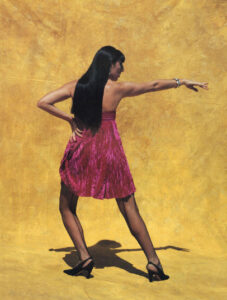

During this period, Jay emerged as a multidisciplinary creative force. His conceptual fashion campaigns in The New York Times earned him recognition from American Photographer as one of the “80 Most Influential in Photography.” He simultaneously worked across publishing, environmental design, and branding, creating award-winning books, restaurant concepts, and identity systems, including work for the Tokyo Dome and the celebrated New York restaurant Chin Chin.
Even then, Jay’s ambitions extended beyond commercial success. In 1985, he established the Jay Scholarship Fund at The Ohio State University to support young Asian-American students pursuing careers in the arts. The act foreshadowed a lifelong commitment to mentorship, education, and expanding access to creative opportunity.
One of the defining turning points in Jay’s career came in the early 1990s when he made a dramatic leap from fashion retail into advertising. Without ever visiting Portland or interviewing in person, Jay moved his family across the country to join Wieden+Kennedy at the invitation of Dan Wieden. Though he had never worked at an ad agency before, Wieden recognized Jay’s unique ability to connect culture, design, and human behavior.
Within days of arriving at Wieden+Kennedy, Jay helped shape what would become Nike’s influential “City Attack” methodology — a culturally driven approach to marketing rooted in authenticity, local identity, and community engagement. Long before “cultural marketing” became industry shorthand, Jay understood that brands earned relevance by respecting and participating in culture rather than interrupting it.

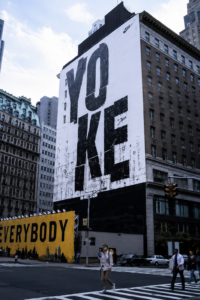
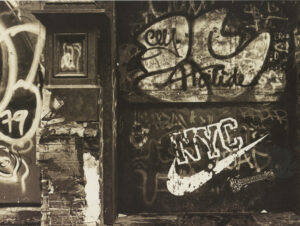
Working through Wieden+Kennedy’s partnership with Nike, Jay pioneered many practices that are now foundational to modern brand strategy. He assembled some of the brand’s earliest cultural influencer initiatives, brought influential figures such as Bobbito Garcia, Hiroshi Fujiwara, and Tom Sachs into Nike’s orbit, and helped connect the brand to the emerging worlds of hip-hop, streetwear, music, and youth culture. He also helped shape projects such as the Nike Air Force 1 “NYC” edition and the launch of Nike Presto, demonstrating how sneakers could transcend sports and become cultural artifacts.
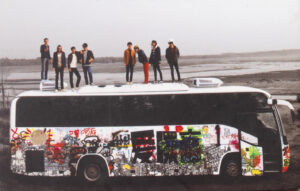
In 1998, Jay relocated to Tokyo to open Wieden+Kennedy Tokyo, later launching the agency’s Shanghai office as well. Under his leadership, W+K Tokyo became one of the most influential creative hubs in Asia, blending music, fashion, art, and technology in ways that challenged traditional advertising conventions. Jay even helped create W+K Tokyo Lab, an experimental music label and cultural platform that brought together DJs, artists, and musicians from across Japan.






It was also during this era that Jay introduced a little-known Japanese retailer called Uniqlo to Wieden+Kennedy. The resulting Fleece Campaign became a landmark moment in Japanese advertising and helped establish the foundation for what would eventually become one of the world’s largest apparel brands.
After returning to Portland as Global Executive Creative Director of Wieden+Kennedy, Jay helped guide the agency through one of its most celebrated periods. During his tenure, the agency won multiple “Agency of the Year” honors, while Jay himself was recognized by Fast Company, AdAge, and Adweek as one of the industry’s leading creative figures; he was also voted by the readers of GD USA Magazine in the top ten of “50 Most Influential Art Directors of Past 50 Years. During this time, he oversaw major campaigns including Chrysler’s acclaimed “Imported from Detroit” Super Bowl campaign featuring Eminem and Levi’s award-winning “Go Forth” campaign.
In 2014, Jay made another bold career shift, leaving Wieden+Kennedy after more than two decades to join Uniqlo and its parent company, Fast Retailing, as President of Global Creative. There, he built the Global Creative Lab, an internal global creative network designed to help Uniqlo evolve from a successful Japanese retailer into a truly global cultural brand. Today, Jay oversees collaborations with designers including JW Anderson, Clare Waight Keller, Christophe Lemaire and Sarah-Linh Tran for Uniqlo U. He also shapes partnerships with institutions such as the Museum of Modern Art, the Louvre, and Tate Modern.



In 2007, Dan Wieden wrote in Creative Review, “Aspirations? To be fully human. To me this is the critical issue of our time”.
Dan’s words have forever inspired Jay. For him, this is only the beginning. Jay sees his career path up to now as a dress rehearsal for the biggest stage yet to come.
The future will reveal the actualization of goals he has been working towards for many years. In the fall of 2026, the first evidence of the new direction will begin to unveil, starting with the End of Summer artist residency led by his Art J Foundation as a featured program at the Venice Biennale. Construction of new studios for future artists have begun.
His new East/ West Cultural Lab will open in 2027 with collaboration partners in art, technology, academia and philosophy from Kyoto to London. This lab will help him to intersect with top thinkers, exploring the dynamics of consciousness and human creativity.

Throughout his career, Jay has remained deeply invested in creativity’s broader social purpose. Through initiatives such as the Art J Foundation, educational partnerships with Central Saint Martins, and artist residency programs like End of Summer, he has continually championed emerging artists, cross-cultural dialogue, and the democratization of design.
For John C Jay, creativity has never been simply about commerce or aesthetics. It has been about building meaningful experiences, opening minds, and empowering future generations. His work has reshaped industries ranging from retail and fashion to advertising and global branding, but perhaps his greatest legacy lies in his belief that creativity — when guided by empathy, curiosity, and cultural understanding — can become a force for human progress.