
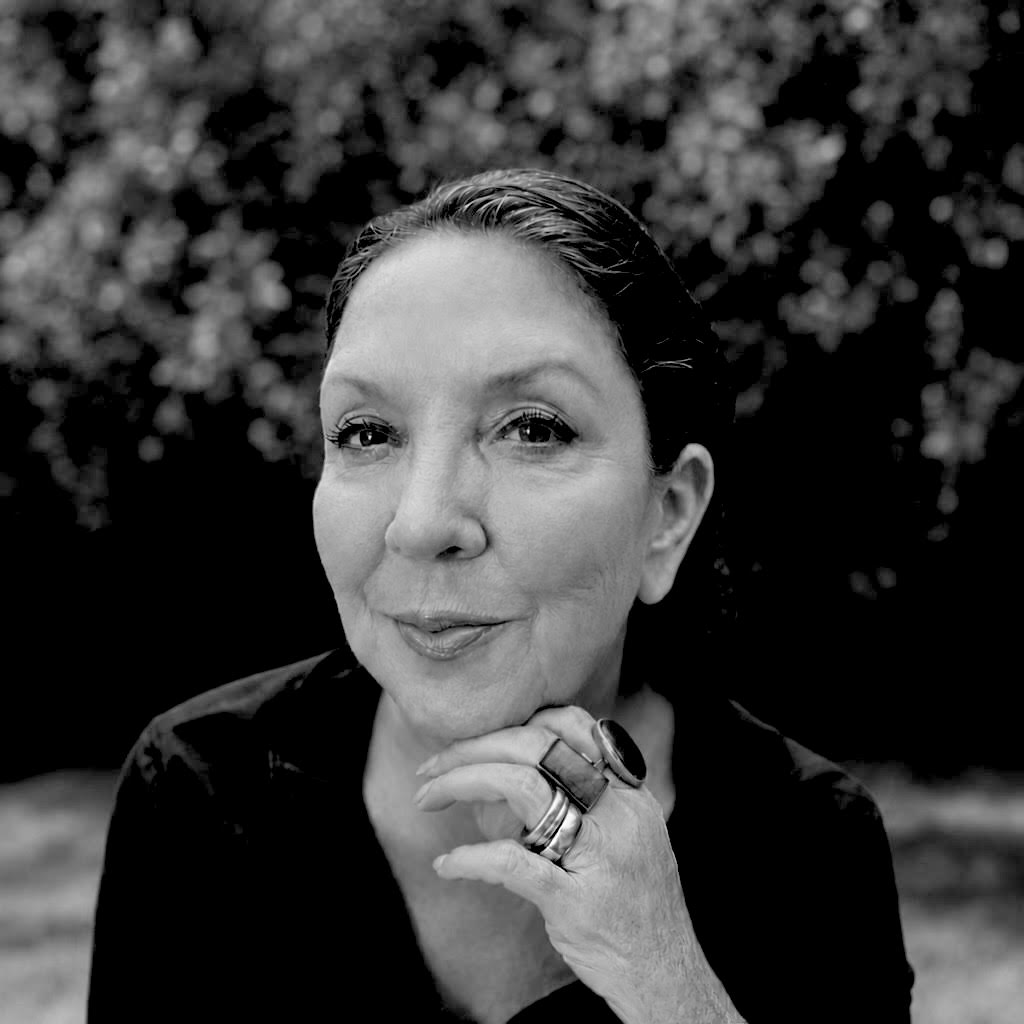
Janet Champ
2026 Creative Hall of Fame Inductee
Creative Director / Writer
The writer behind many of Nike’s most iconic campaigns of the 1990s, Janet Champ transformed how brands communicate with women through work rooted in honesty, empathy, and cultural insight.
Career
Janet Champ is one of the most influential copywriters of her generation, celebrated for reshaping how brands speak to women and for creating some of the most emotionally resonant and socially impactful advertising of the last three decades. Known for her ability to uncover what she calls “the real, unexpected, unspoken truth,” Champ’s work has consistently challenged cultural assumptions, elevated women’s voices, and demonstrated that advertising can move beyond persuasion into genuine human connection.
Her path into the advertising industry has become something of a modern creative legend. Champ began her career at Wieden+Kennedy not as a writer, but as an administrative assistant who, along with the other women in the office, answered the phone. (Note: it is a myth I was the receptionist; all women secretaries rotated answering it because we literally had no receptionist) What had led Champ to her promotion to Junior Copywriter? Dan Wieden was handed the freelance PETA poster she had both written and art directed in her spare time, and put up all over Portland, Oregon. He and David Kennedy agreed it showed talent, and asked her if she wanted to be a copywriter. She replied ‘Yes, but can we remove the ‘copy’ part?’ One year later, the ‘Junior’ was removed from her title when she co-created her very first commercial, ‘Nike Revolution’, using the Beatles for the very first time. This launched one of the most influential creative careers in modern advertising. Not long after, the agency’s male creative team was struggling with work for the Nike women’s business, and Wieden and Kennedy assigned Champ and Charlotte Moore to the account – because they were female, or as Dan called them, ‘Girls’. Her writing immediately stood out for its honesty, emotional intelligence, and understanding of women’s lived experiences — qualities rarely reflected in sports marketing at the time. At Wieden+Kennedy, Champ partnered with art director Charlotte Moore, to redefine how brands approached women in sport. Rather than simply adapting advertising created for men, the pair developed campaigns rooted in authenticity, vulnerability, empowerment, and truth. Their work rejected the patronizing or overly polished portrayals of women common in advertising during the 1990s and instead reflected the emotional realities and social pressures women and girls experienced.
The most celebrated example of this approach was Nike’s landmark 1995 “If You Let Me Play” campaign. Structured as a poetic manifesto, the campaign linked team sports participation with long-term emotional and social outcomes for girls and young women. The now-iconic copy included lines such as, “If you let me play sports, I will like myself more,” and “I will be more likely to leave a man who beats me.” The campaign struck a profound cultural nerve, generating widespread public response and helping ignite broader conversations around women’s athletics, confidence, body image, and gender equality.
The work became one of the defining campaigns of its era, earning major industry honors including a D&AD Gold Pencil and widespread editorial recognition. More importantly, it transcended advertising itself. The campaign was discussed nationally on programs including The Oprah Winfrey Show, where it moved Oprah Winfrey to tears, just as the original Women’s Fitness print campaigns had also done. And these campaigns have since been recognized as a cultural artifact of feminist and sports history. Elements of these campaigns have been preserved in institutions including the Smithsonian Institution and The Museum of Modern Art as examples of advertising’s power to influence culture and social dialogue.
Champ’s work at Nike helped fundamentally redefine how brands communicated with women. Rather than speaking at women aspirationally, her writing invited them into conversations rooted in honesty and shared emotional experience. The influence of that shift can still be seen across modern brand storytelling today.
Following her groundbreaking years at Wieden+Kennedy, Champ continued her career as a freelance copywriter, creative director, and brand consultant, working internationally and spending time in London, Amsterdam, Boston and New York. Over the years, her portfolio has expanded across fashion, technology, nonprofit advocacy, and global social impact campaigns, most often with her partner and husband, ECD Rick McQuiston. though a common thread throughout her work remains a commitment to truth-driven storytelling and representation.
Champ has contributed to campaigns supporting causes such as #TimesUp, women’s health advocacy, and cancer awareness, including work on Saudi Arabia’s first breast cancer awareness campaign. She has also collaborated with Nobel Peace Prize laureate Malala Yousafzai and worked alongside acclaimed filmmaker David Fincher on campaigns for Stand Up 2 Cancer, the film ‘Benjamin Button’, Calvin Klein and several others. More recently, she has worked with global brands including Apple, AirBnB, UnderArmor, DocuSign, Pinterest, and others, continuing to bring emotional clarity and cultural relevance to her work.
Beyond advertising, Champ has also explored storytelling through writing and publishing. She co-authored the books Ripe, and The Making of Benjamin Button; she is now writing fiction and an essay of hers was recently published in The Alaska Quarterly Review to great acclaim. Throughout her career, she has remained a vocal advocate for greater diversity and authenticity within the advertising industry, particularly around the representation of women both in creative departments and in the stories brands choose to tell.
Janet Champ’s legacy lies not only in the awards her work has earned, but in the emotional and cultural impact her writing continues to have. At a time when advertising often relied on stereotype and aspiration, she brought empathy, candor, and emotional truth to the forefront. In doing so, she helped change not just how brands spoke to women, but how women saw themselves reflected in culture.