
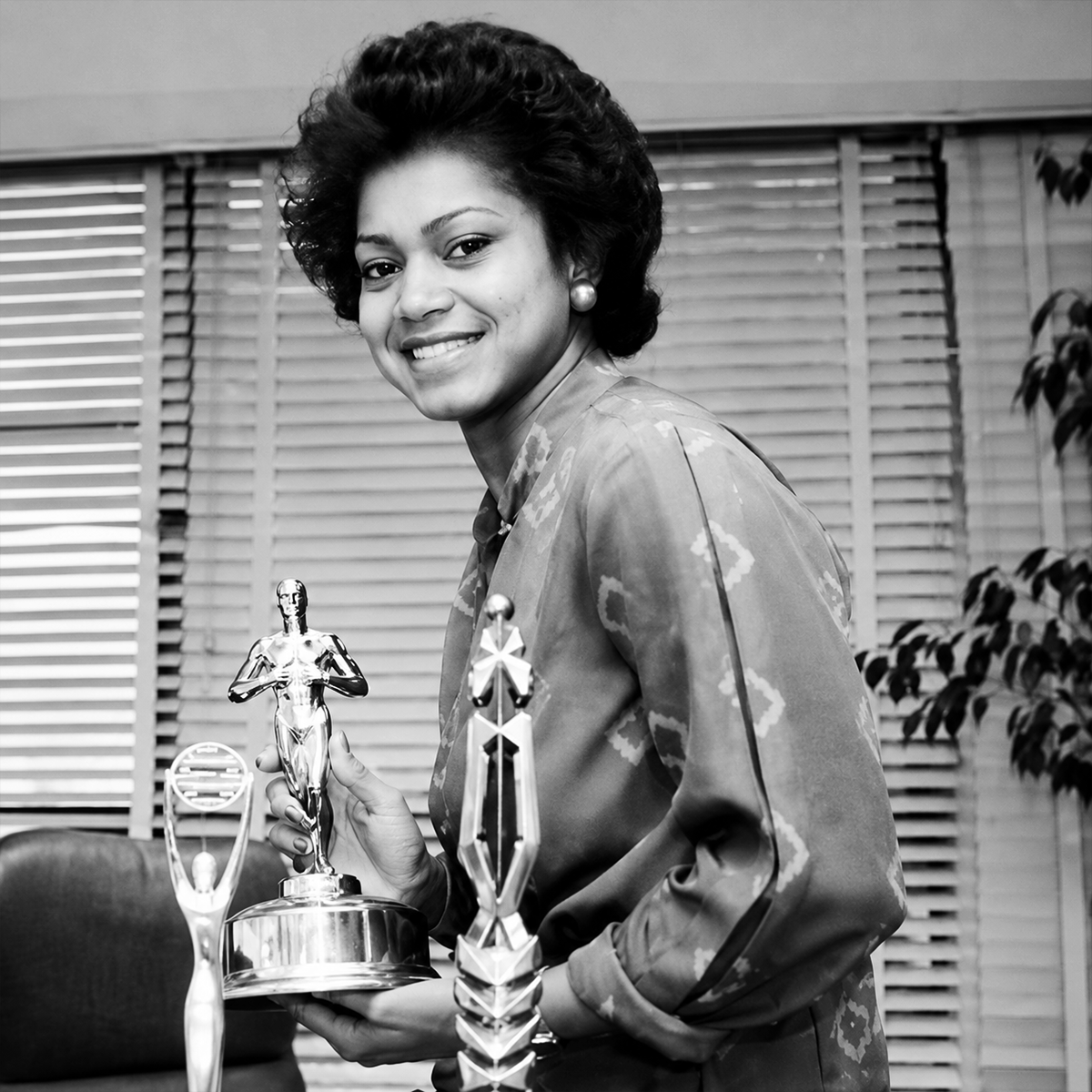
Caroline R. Jones
2026 Creative Hall of Fame Inductee
Advertising Executive & Agency Founder
Caroline Jones was the industry's first black, female "Mad Man." Working her way up from secretary to copywriter at J. Walter Thompson, then on to found numerous agencies and lead firms such as BBDO. Noted for nationally celebrated campaigns including KFC's "We do chicken right."
Career
Caroline R. Jones was a pioneering copywriter, advertising executive, entrepreneur, and advocate whose career transformed both the business of advertising and the opportunities available to generations of Black creative professionals. At a time when the industry was overwhelmingly white and male, Jones rose through the ranks on the strength of her ideas, strategic insight, and unwavering belief that authentic representation was not only good ethics—it was good business. Through her groundbreaking creative work, entrepreneurial leadership, and commitment to inclusion, she became one of the most influential figures in American advertising history.
Born in St. Louis, Missouri, Jones developed an early love of language, storytelling, and culture. After graduating from the University of Michigan with a degree in English, she began her professional career as a teacher before finding her way into advertising. Her talent for understanding people and communicating with clarity quickly distinguished her in an industry where few women—and even fewer Black women—were given opportunities to lead.
Jones built her early career at major agencies including J. Walter Thompson, BBDO, and Grey Advertising, becoming one of the first Black women to achieve senior creative and management positions within the mainstream advertising industry. Throughout her rise, she demonstrated a rare ability to combine powerful consumer insight with persuasive storytelling, helping brands connect with audiences in ways that felt authentic, human, and culturally relevant.
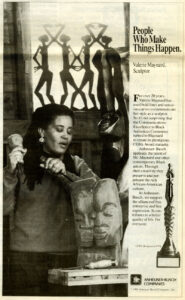
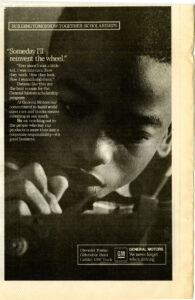
Among Jones’s most significant contributions was her role in reshaping how corporate America viewed multicultural consumers. Long before diversity became a business imperative, she recognized that Black consumers represented not a niche audience, but a powerful and influential segment of the American marketplace. Rather than relying on stereotypes or superficial representation, Jones championed work rooted in genuine cultural understanding and lived experience.
One of her most enduring creative achievements came through Mingo-Jones Advertising, the agency she co-founded with Vince Mingo. There, Jones helped create Kentucky Fried Chicken’s iconic “We Do Chicken Right” campaign. Originally developed to connect with Black consumers in the New York market, the work proved so effective that KFC adopted the platform nationally. The campaign became one of the brand’s most recognizable and enduring slogans, demonstrating Jones’s conviction that ideas grounded in authentic cultural insight could resonate far beyond the audience for which they were initially created.
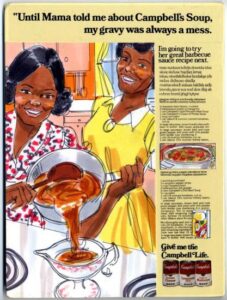
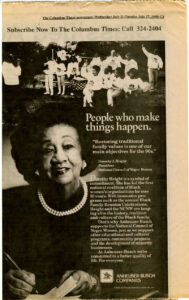
She achieved similar success with Campbell’s Soup, helping the brand move beyond product-focused advertising toward storytelling centered on family, emotion, and everyday life. The work resonated strongly with Black consumers and was later adapted for broader national audiences, further reinforcing Jones’s belief that multicultural insights often reveal universal human truths. Throughout her career, she applied that same philosophy to work for clients including American Express, Anheuser-Busch, Goodyear, Prudential, Kmart, and the National Urban League.
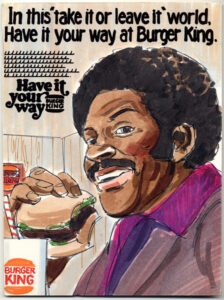
The significance of Jones’s contributions is reflected in their preservation by the Smithsonian Institution. Her professional papers, campaigns, and creative work are housed within the museum’s collections, recognizing not only her achievements as a copywriter and entrepreneur, but also her role in changing how American corporations understood and communicated with multicultural audiences. Few advertising professionals can claim a legacy preserved as part of the cultural and business history of the United States.
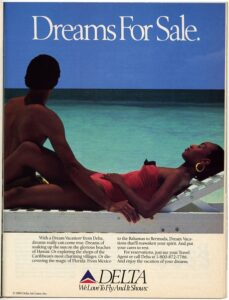
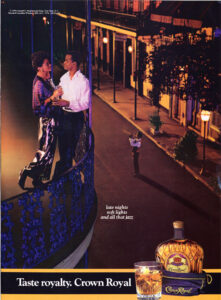
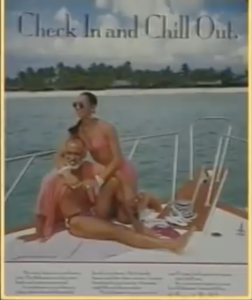
In 1986, Jones made another historic leap by founding Caroline Jones Advertising, one of the first Black woman-owned advertising agencies in the United States. The agency quickly became a respected creative and strategic partner to major corporations seeking to better understand America’s changing demographics. Under Jones’s leadership, the agency demonstrated that diversity was not simply a social issue but a competitive advantage, helping shape the evolution of multicultural marketing into a core business discipline.
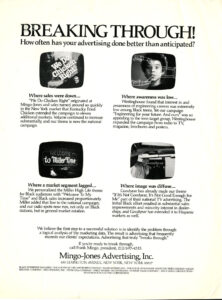
Yet Jones’s influence extended far beyond the campaigns she created. She became a mentor, role model, and advocate for countless young professionals entering the industry. She consistently challenged agencies and corporations to expand opportunities for underrepresented talent and believed that creativity flourished when different voices were welcomed to the table. Her success opened doors for future generations of women and people of color who sought careers in advertising, marketing, and communications.
Throughout her life, Jones remained committed to the idea that advertising shapes more than consumer behavior—it shapes culture. She understood that the stories brands tell help define who is seen, who is valued, and who belongs. Her work consistently reflected a commitment to dignity, authenticity, and inclusion decades before those concepts became common industry priorities.
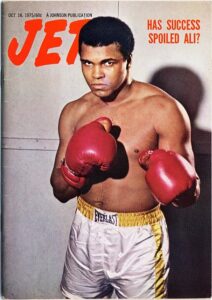
Caroline R. Jones passed away in 2001, but her influence continues to be felt throughout the advertising profession. She helped prove that multicultural marketing was not a specialty but a necessity. She demonstrated that creative excellence and cultural relevance are inseparable. Her campaigns changed brands, her leadership changed careers, and her entrepreneurial vision expanded what was possible for generations of creative professionals who followed. Through the preservation of her work in the Smithsonian Institution and the lasting impact of the ideas she championed, Caroline R. Jones remains one of the most important and influential figures in the history of American advertising.